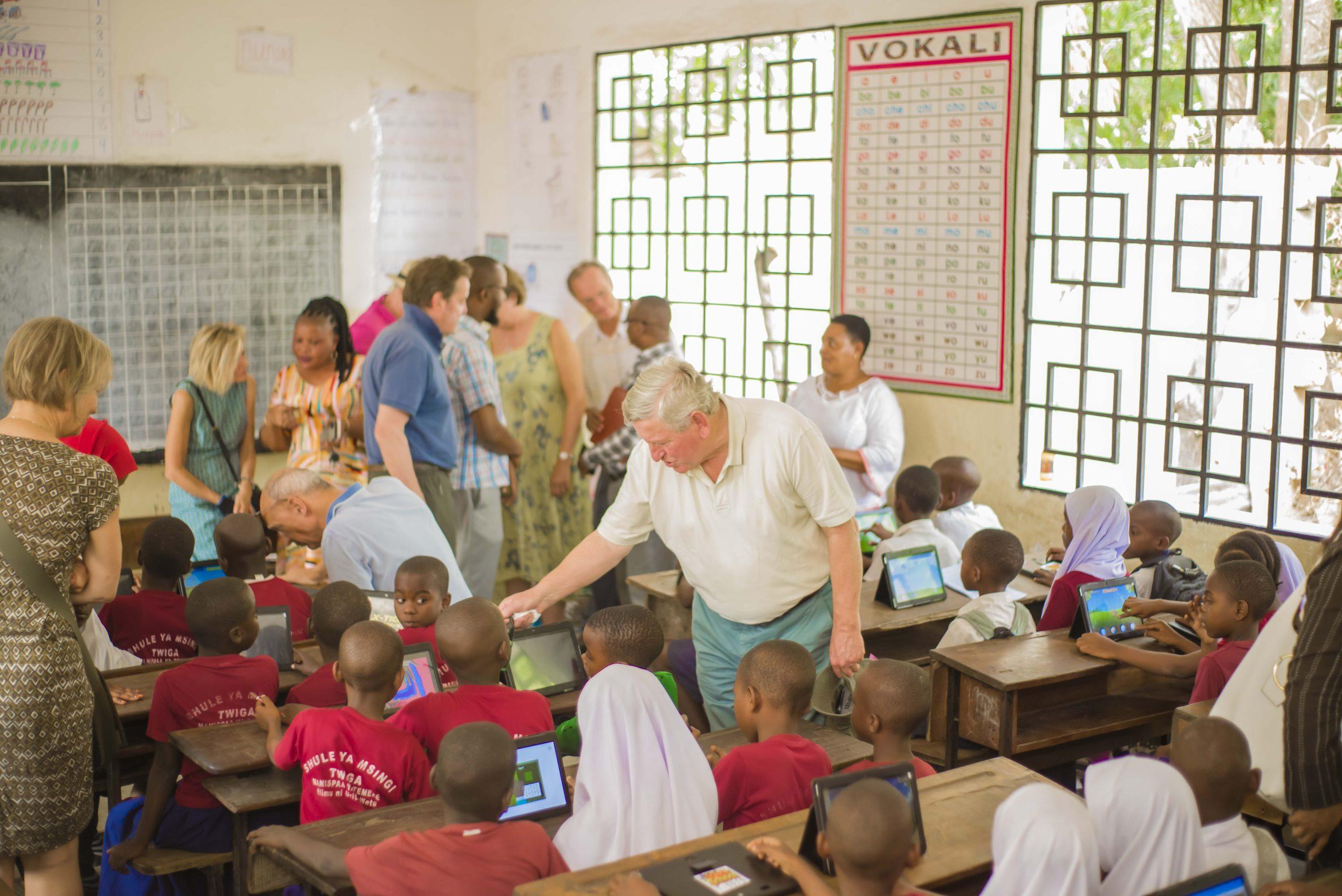
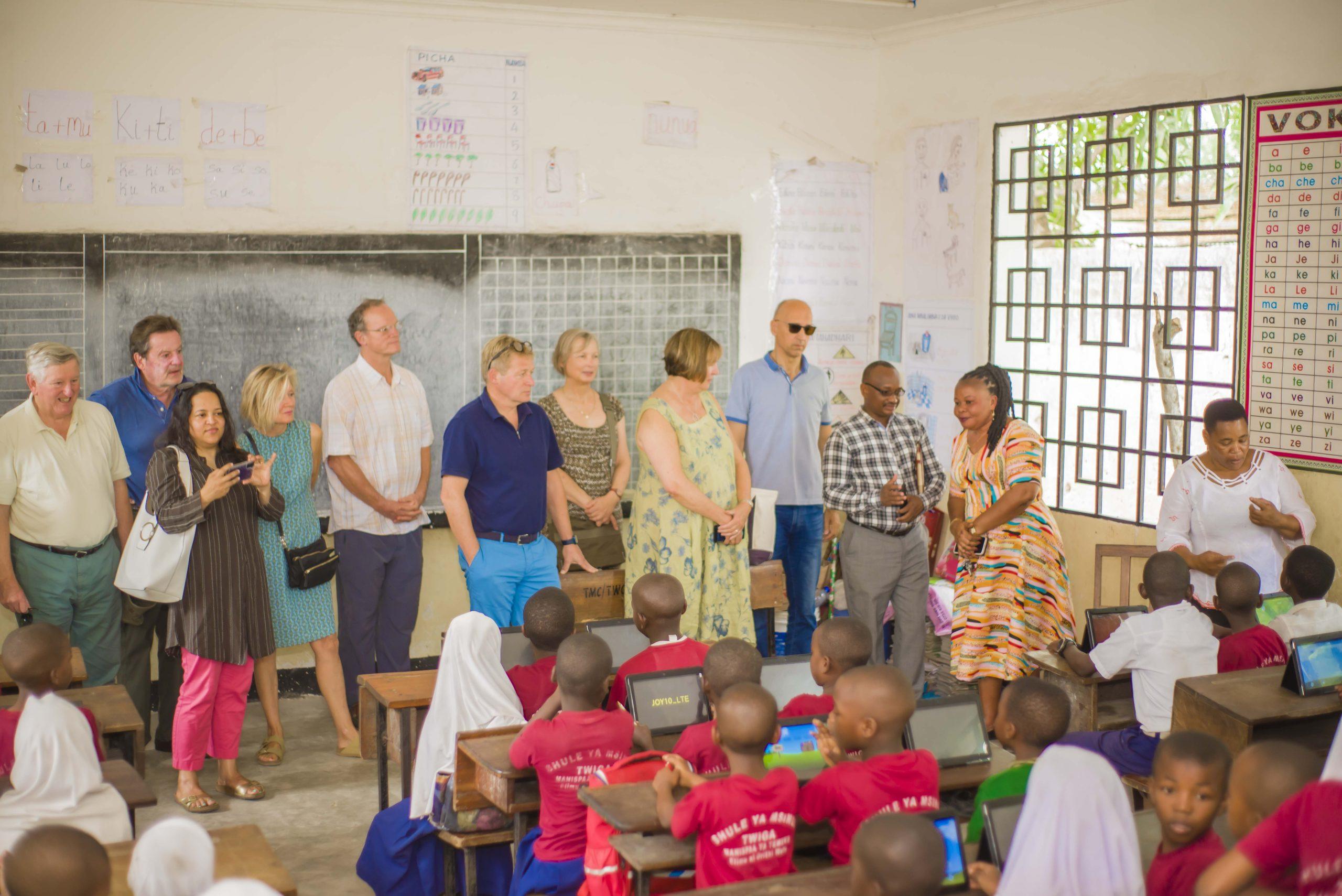
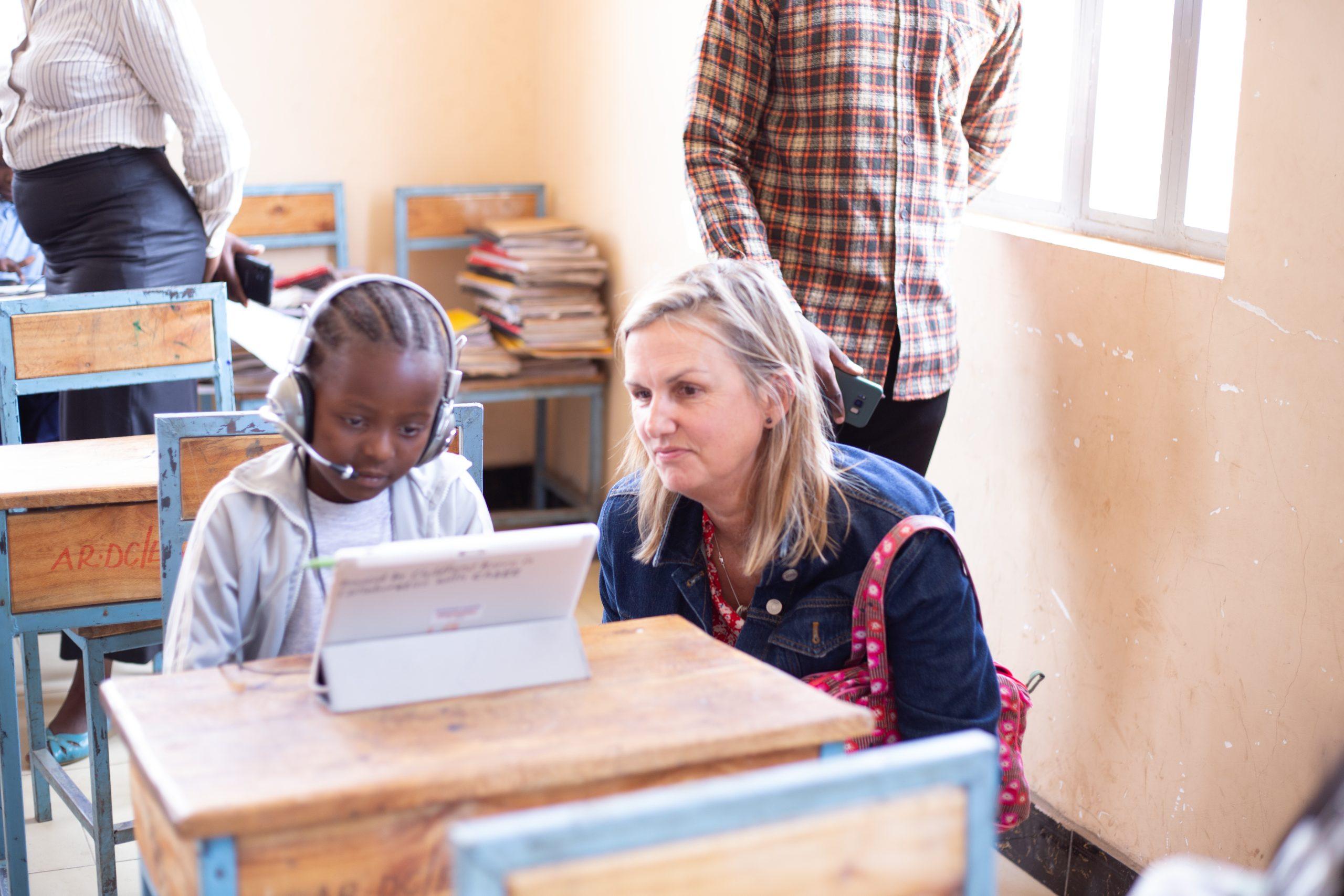
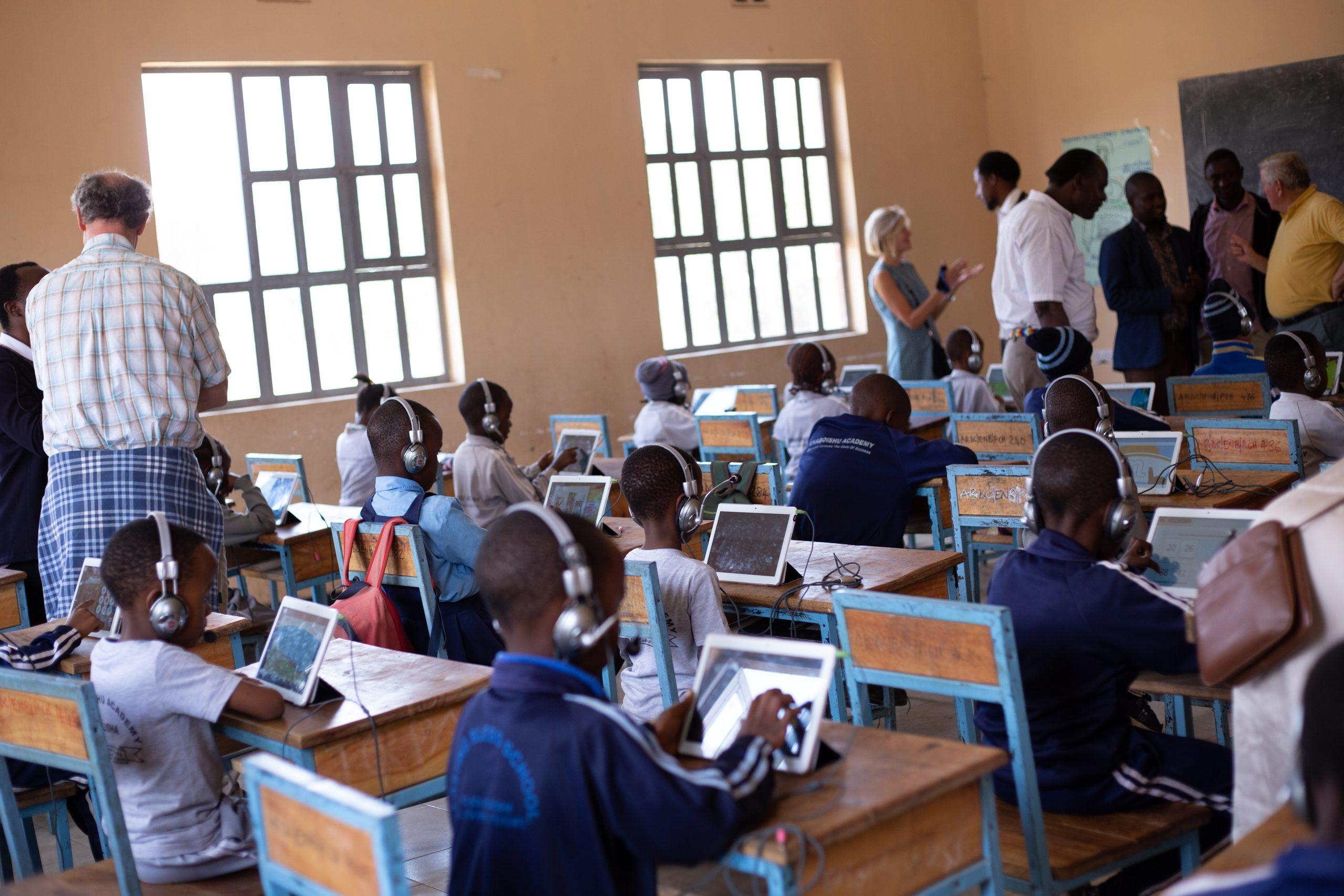
The pilot project was co-funded by Camara, Enuma, and the Korea International Cooperation Agency (KOICA)—the pilot aimed at designing a scalable and sustainable model which could be replicated in other schools.
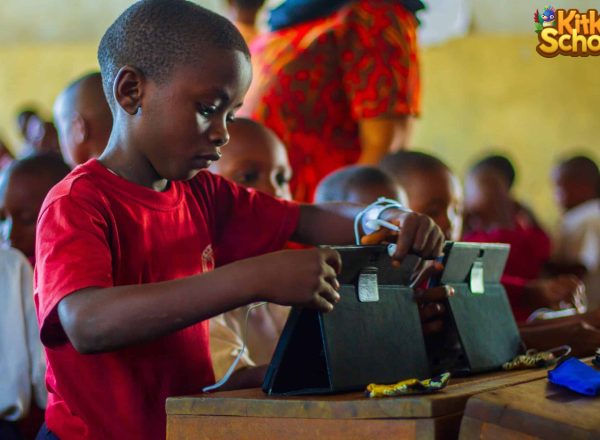
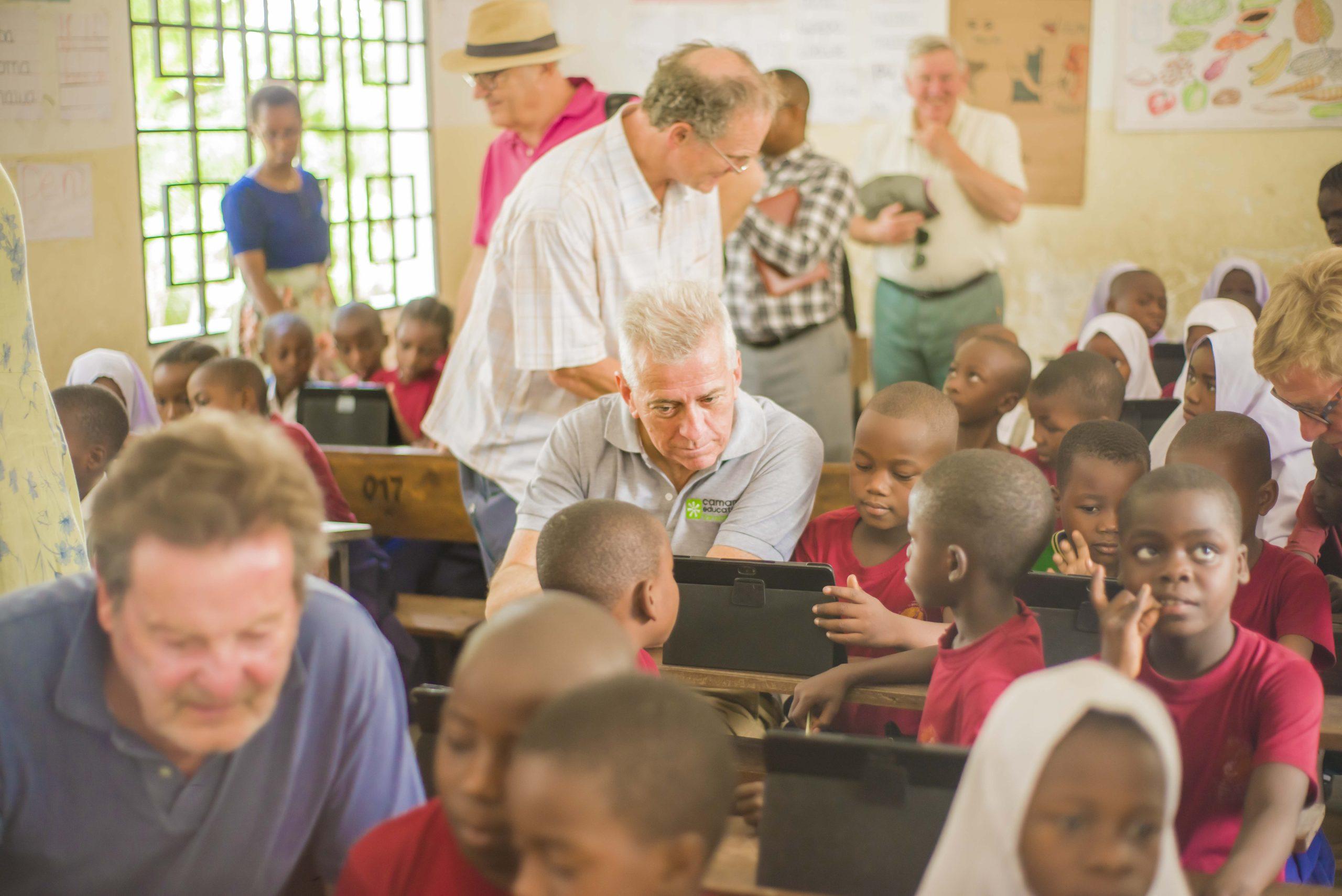
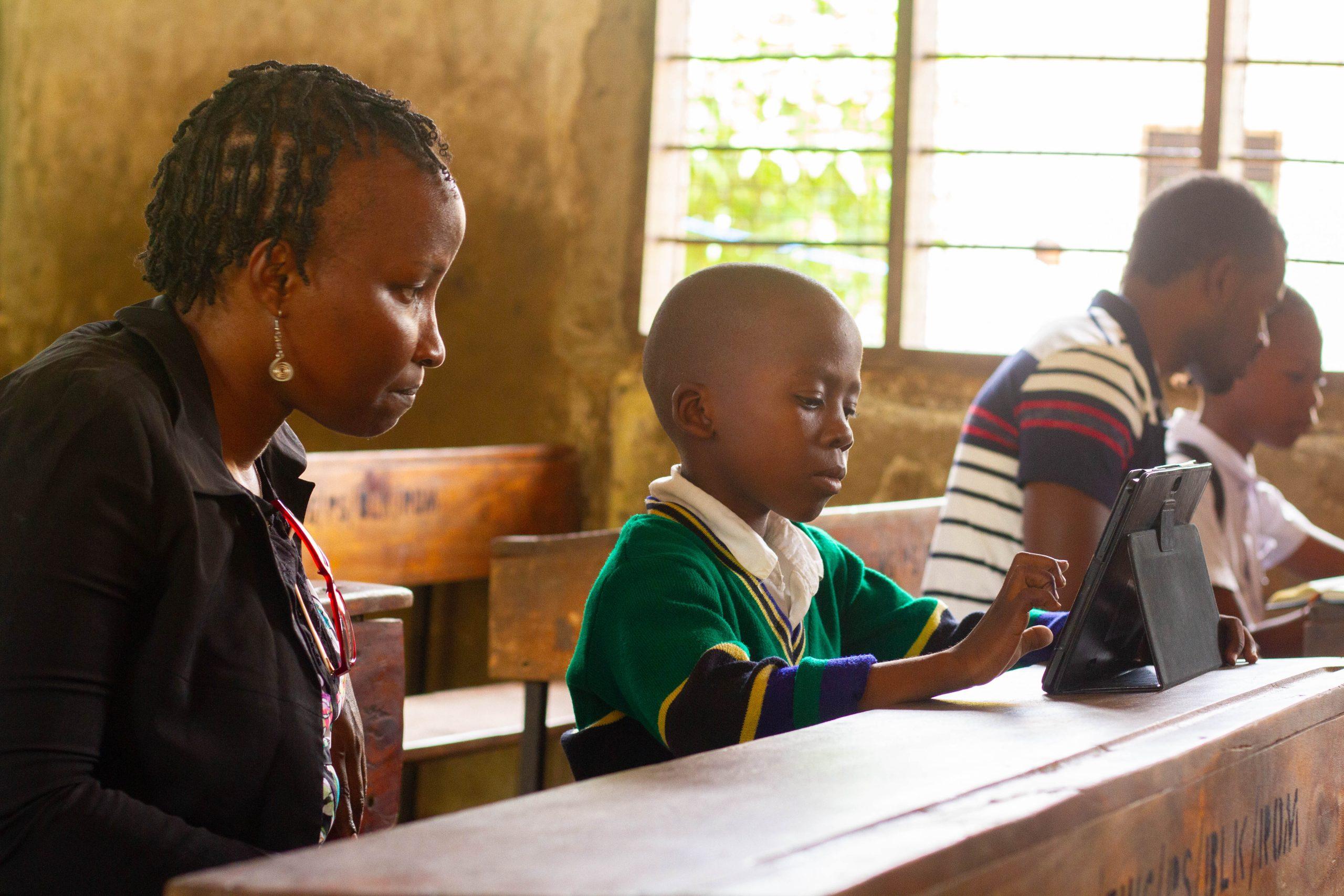
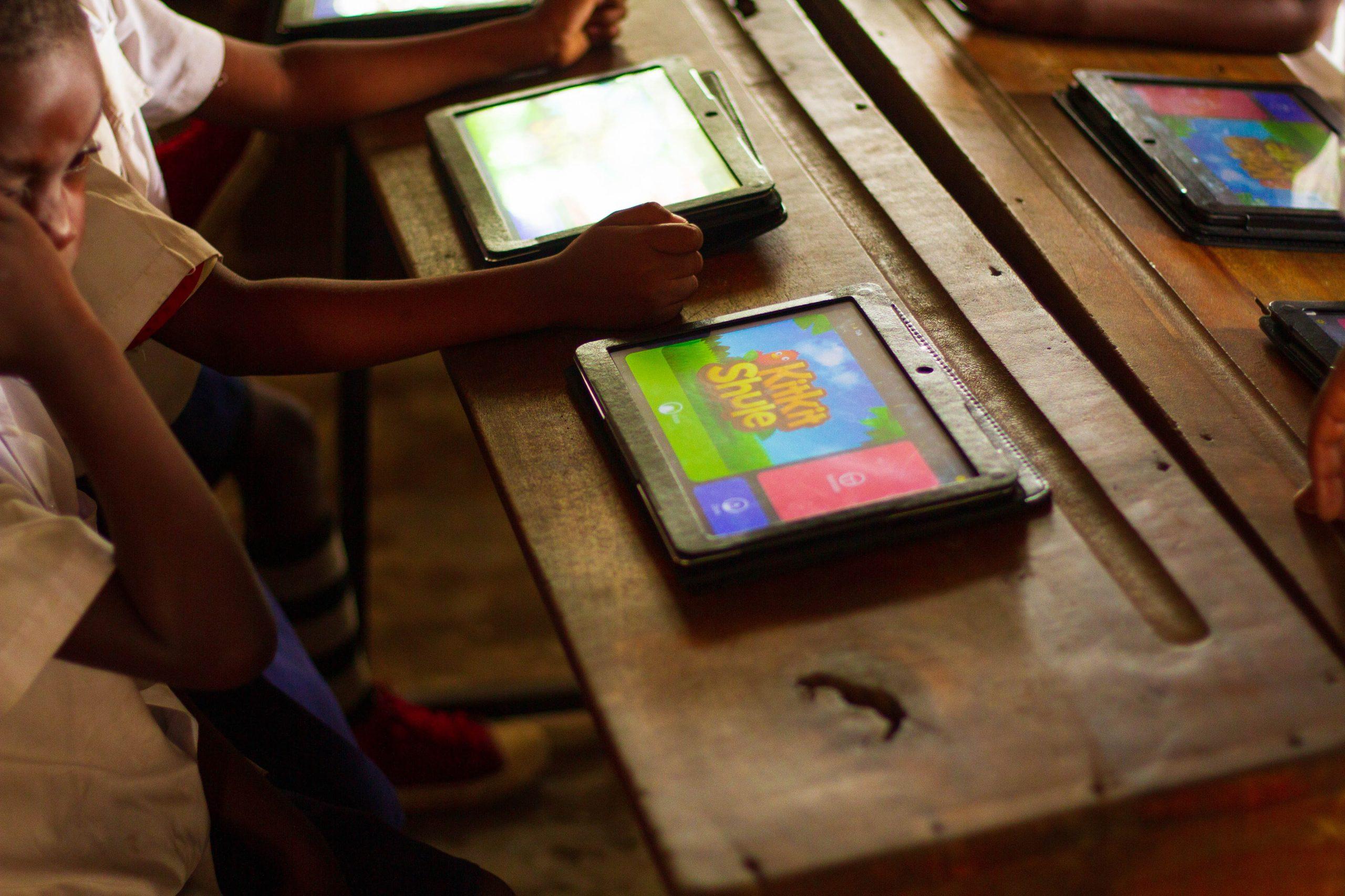
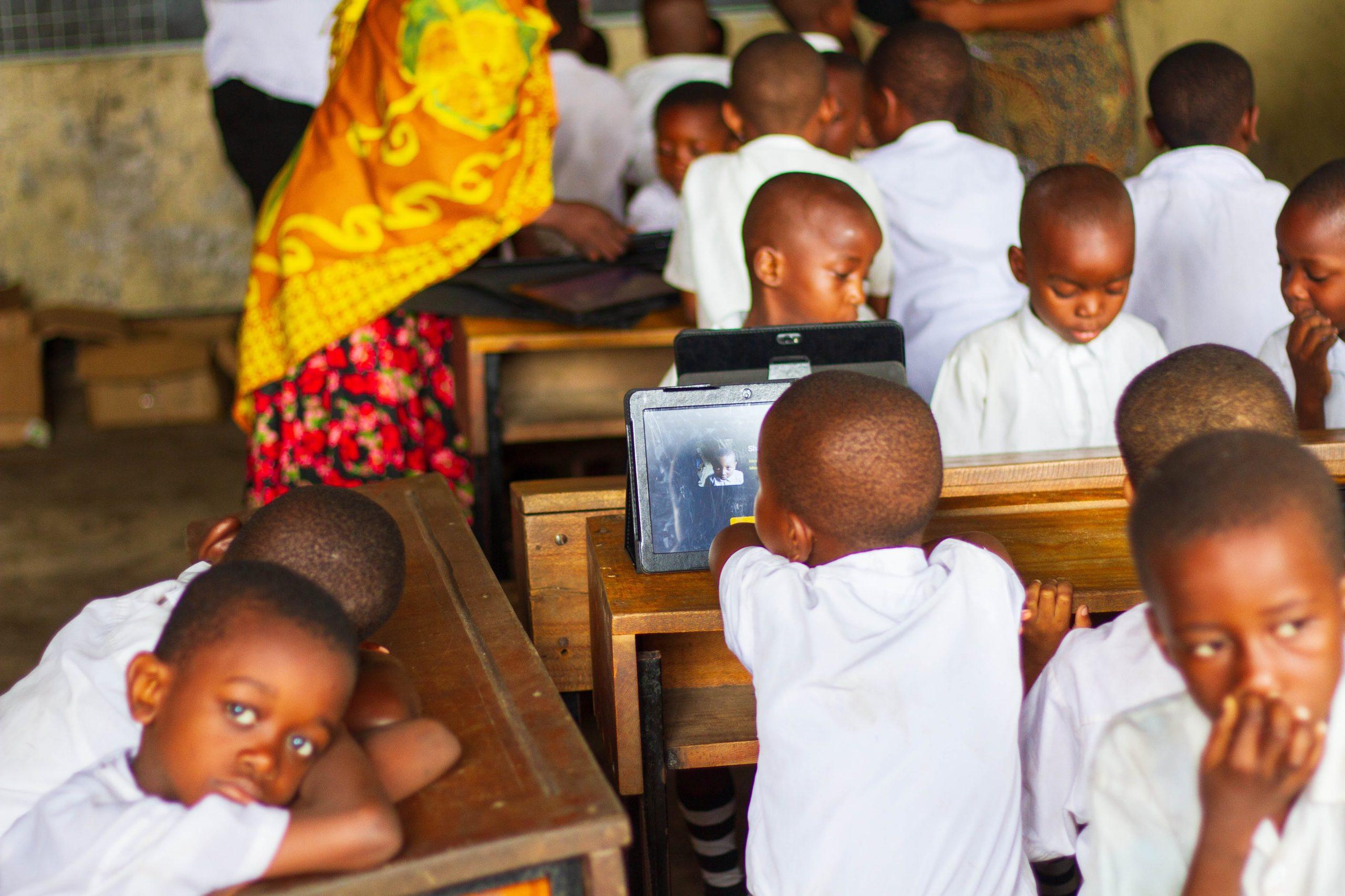
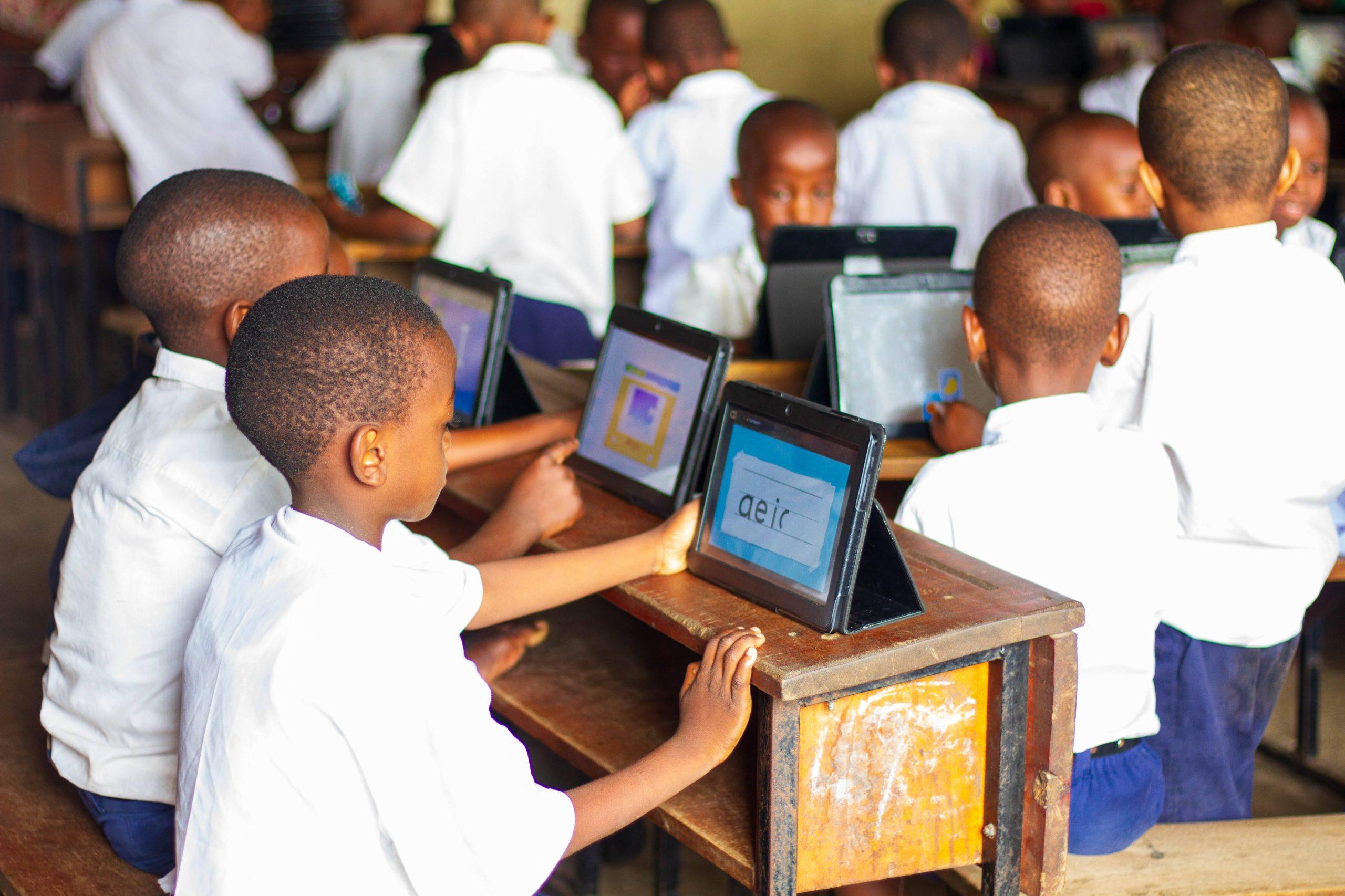
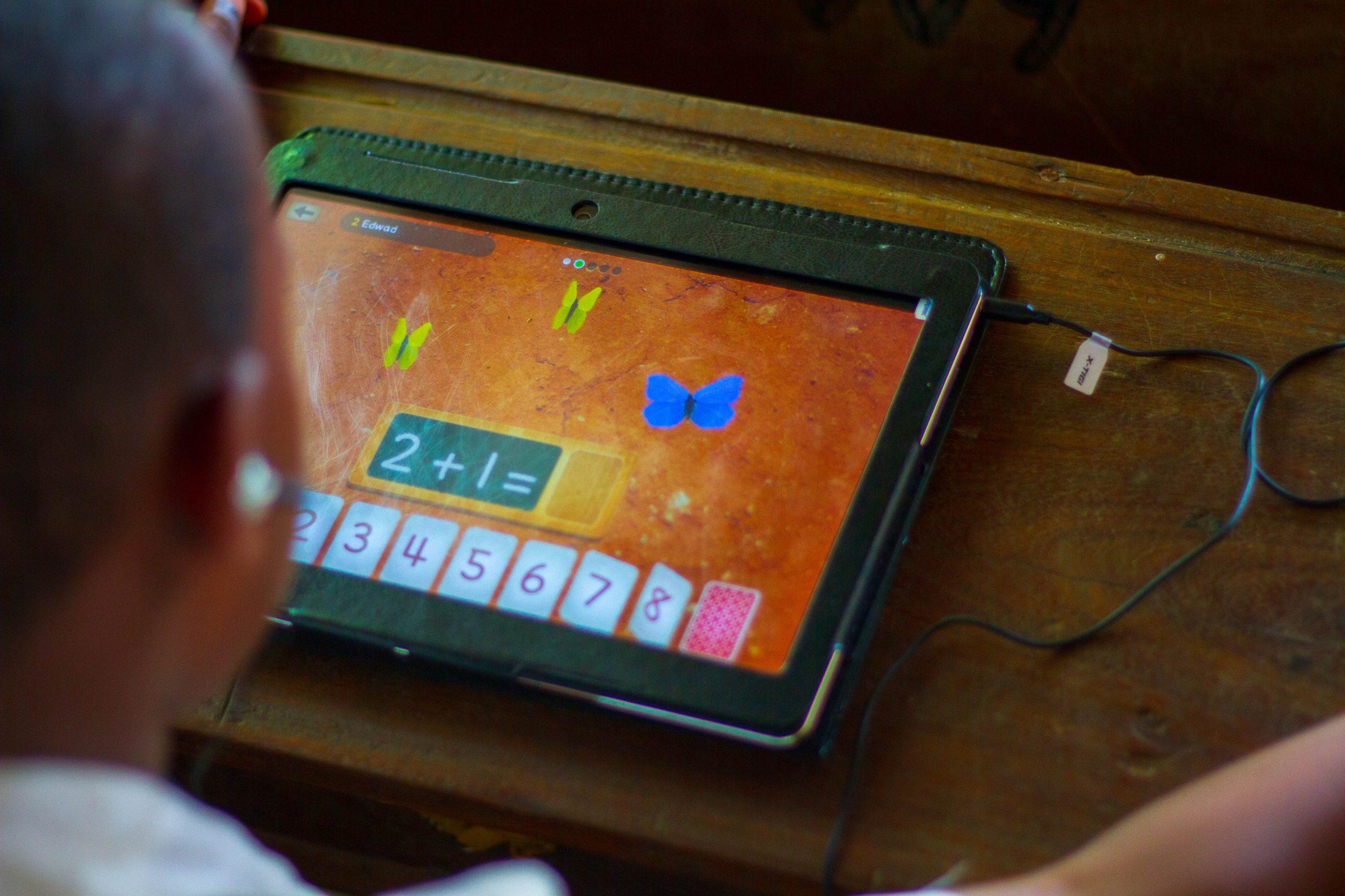
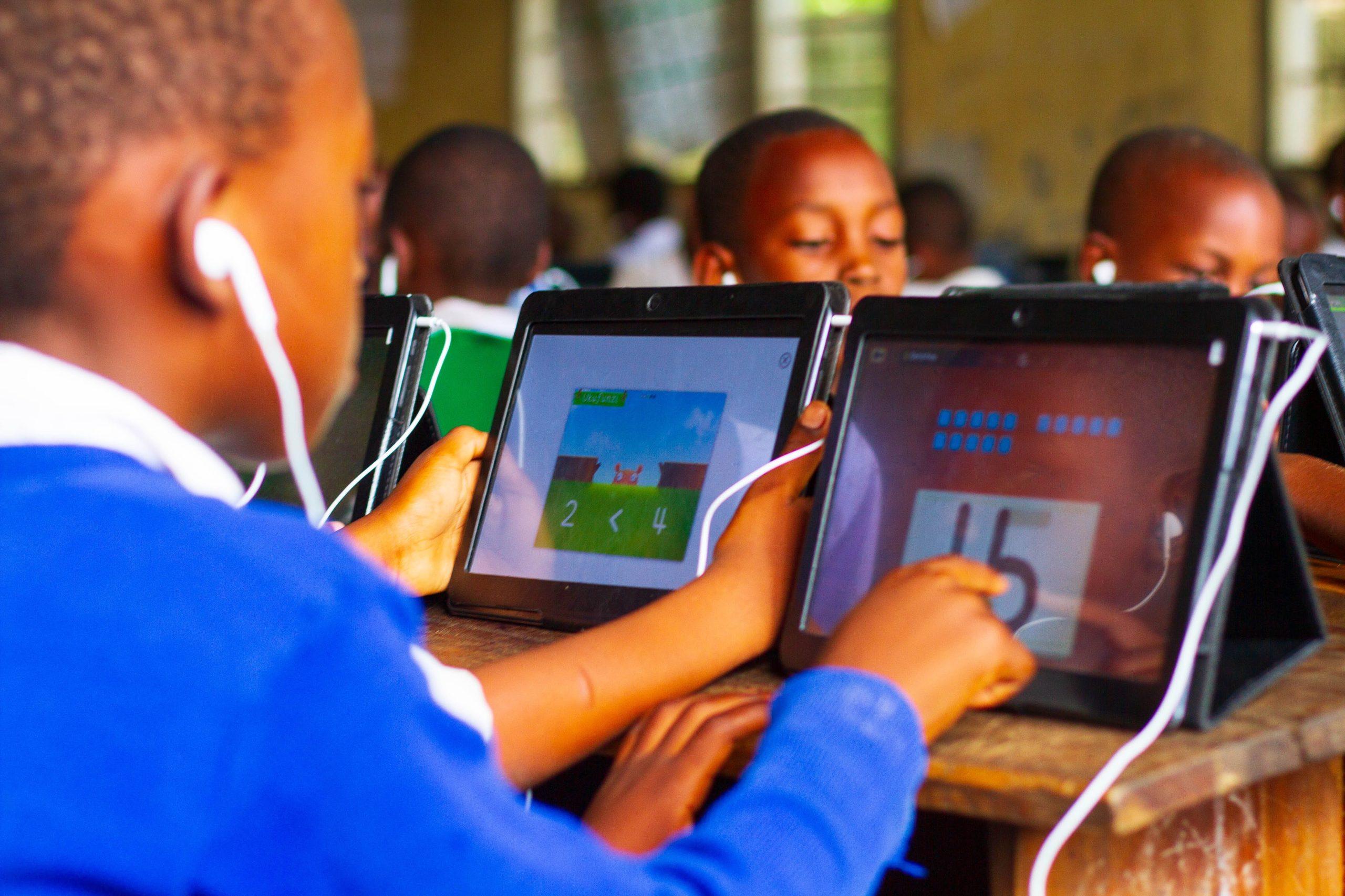
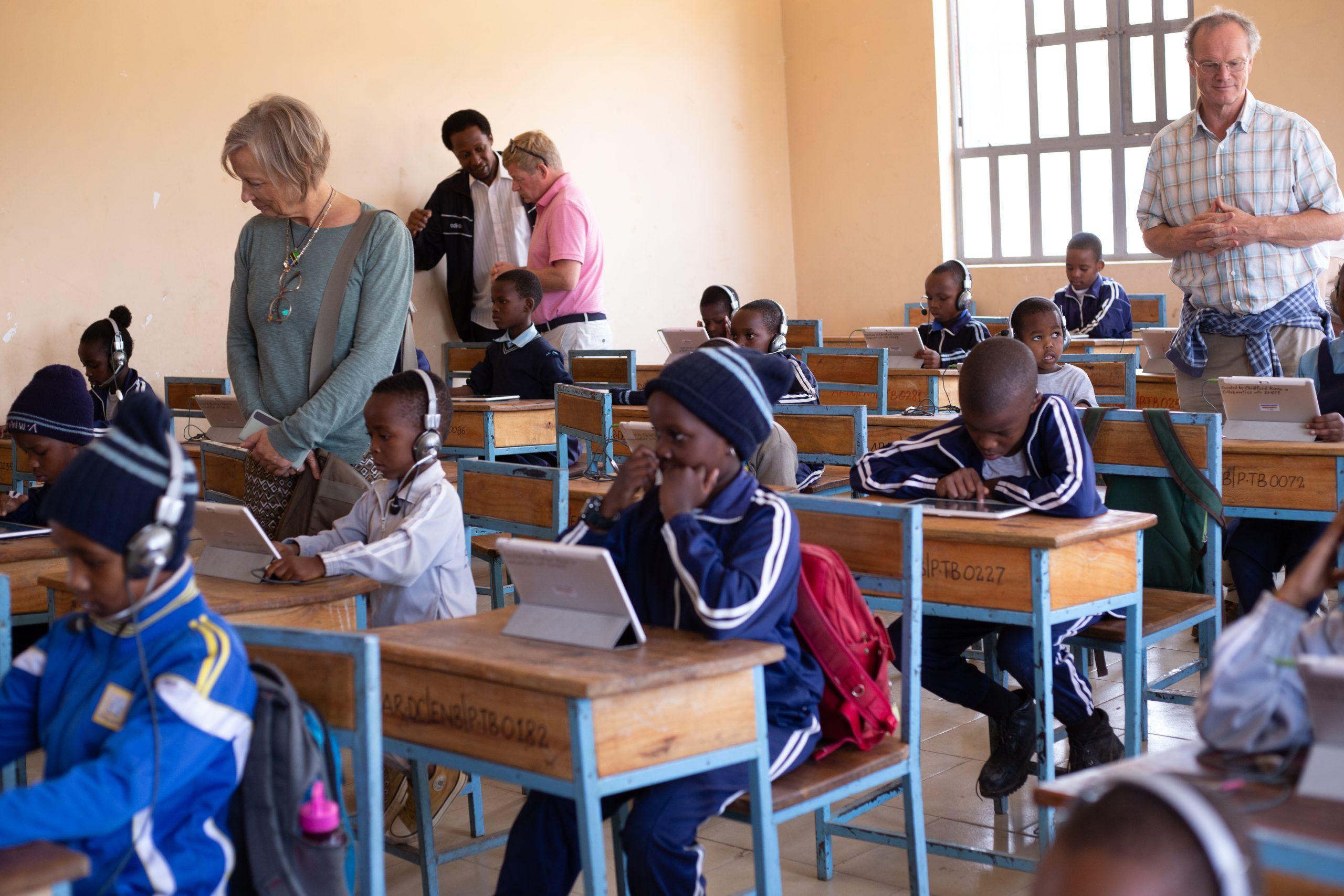
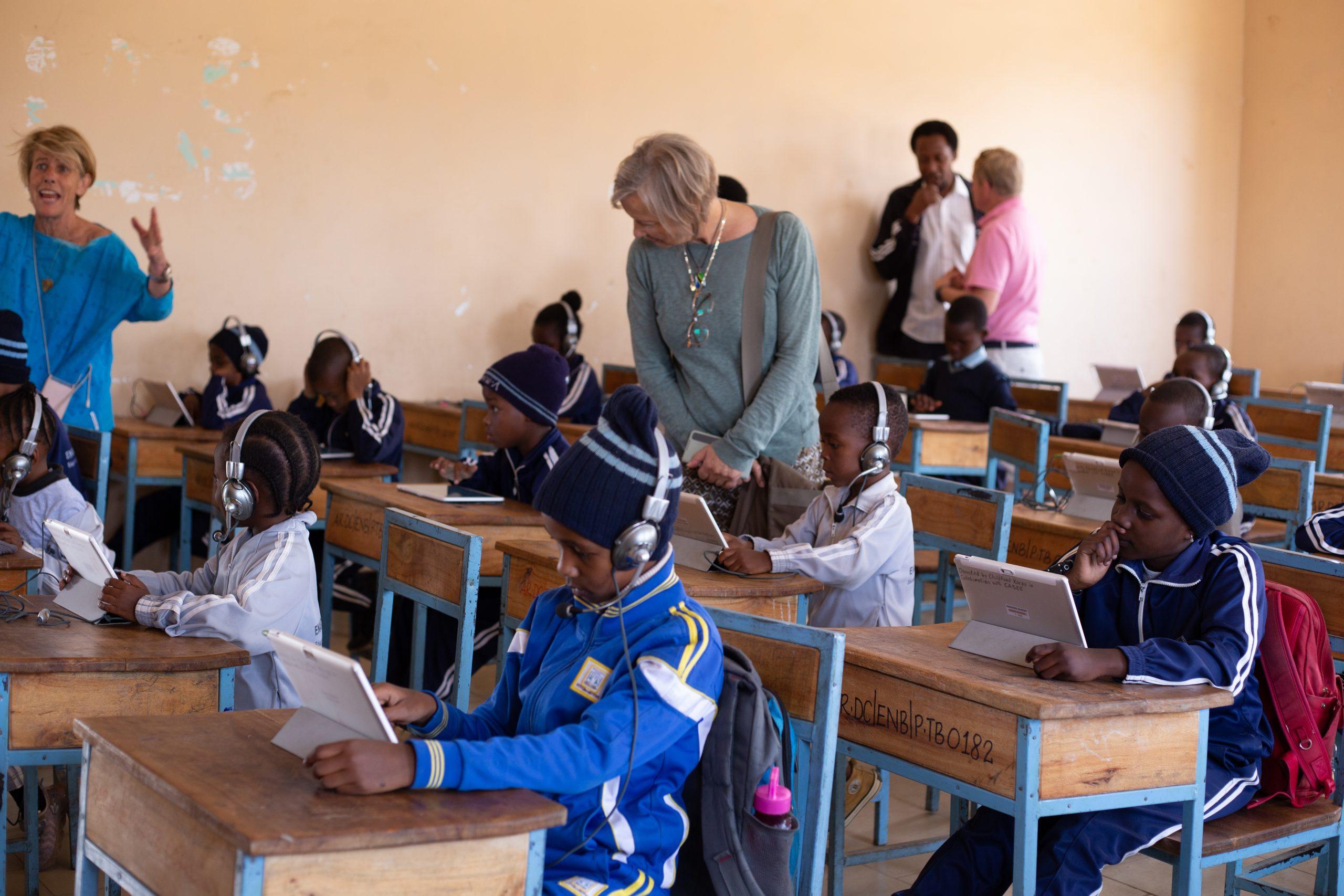
The project was implemented for three months at Twiga Primary School in Dar es Salaam with 327 students from classes 1 – 3 using 100 tablets for 40 minutes a day. Students who participated in this project were struggling learners selected by the teachers themselves.
Among these students, 16 students had special needs (hearing impairment) and a special needs teacher supported them during the implementation.
Sustainable Teacher Initiative
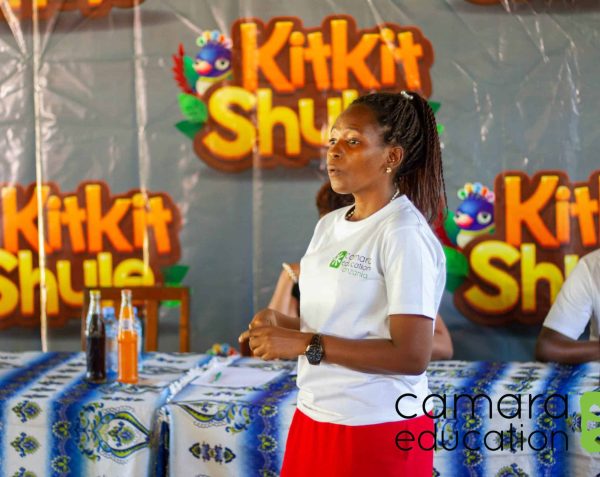
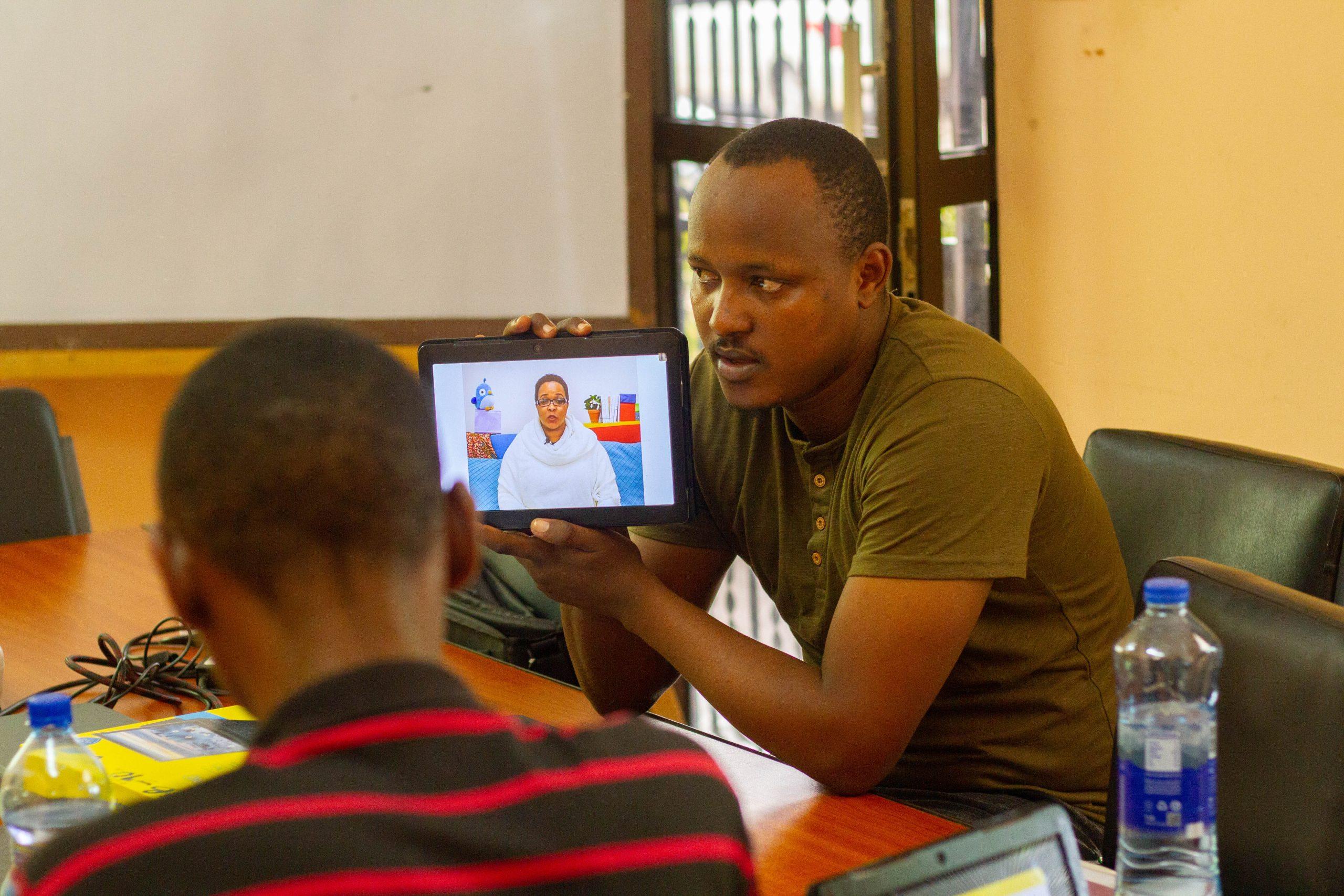
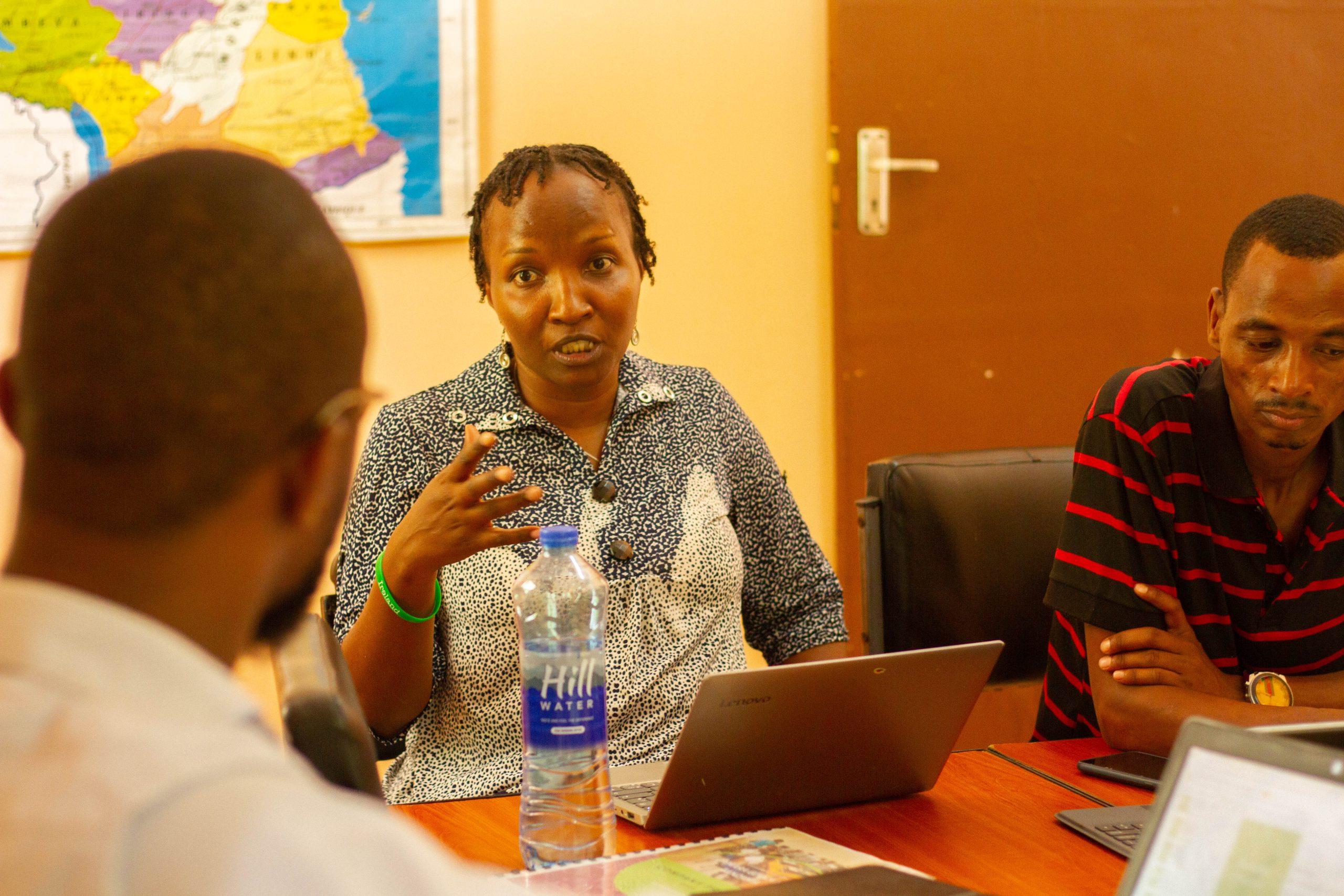
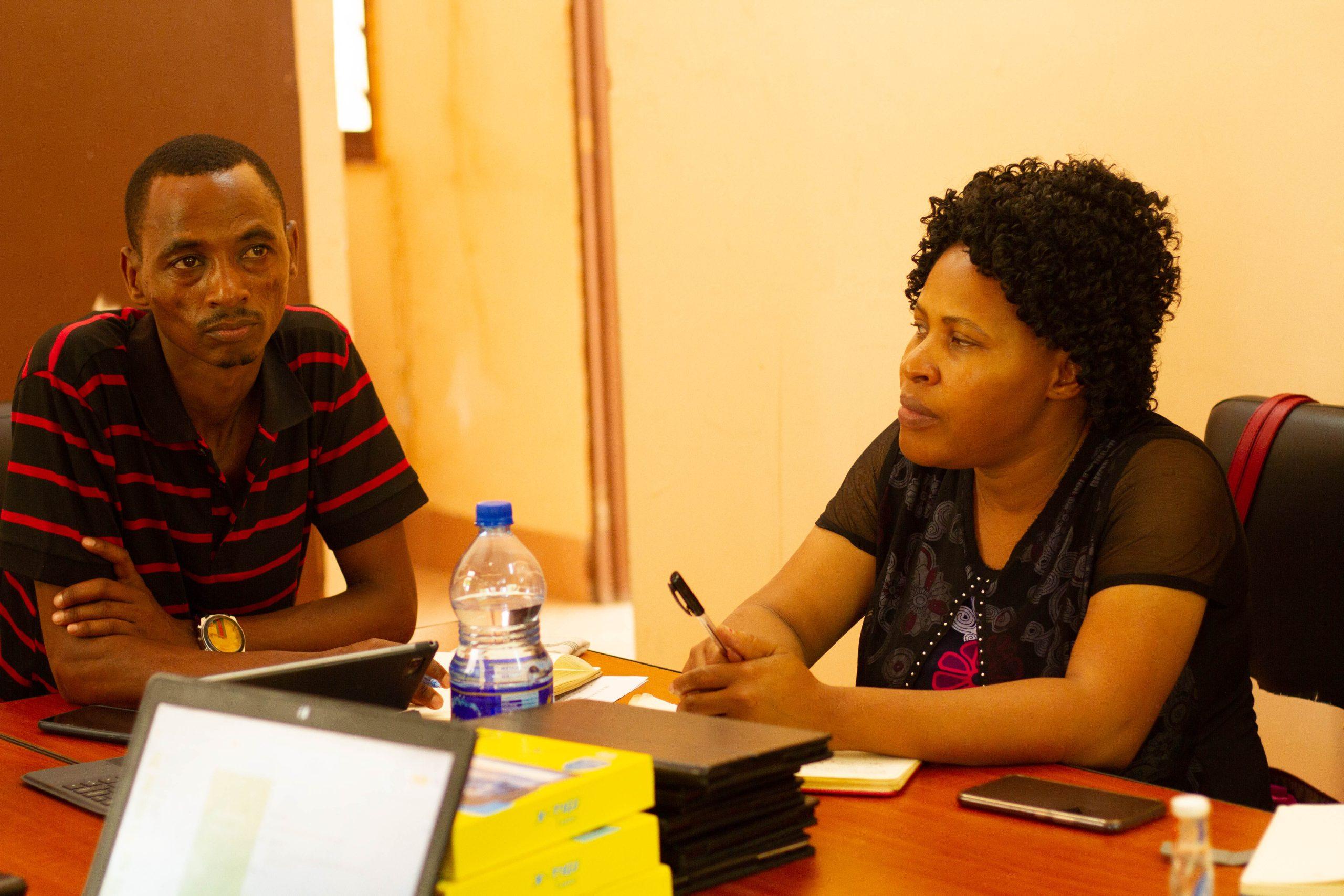
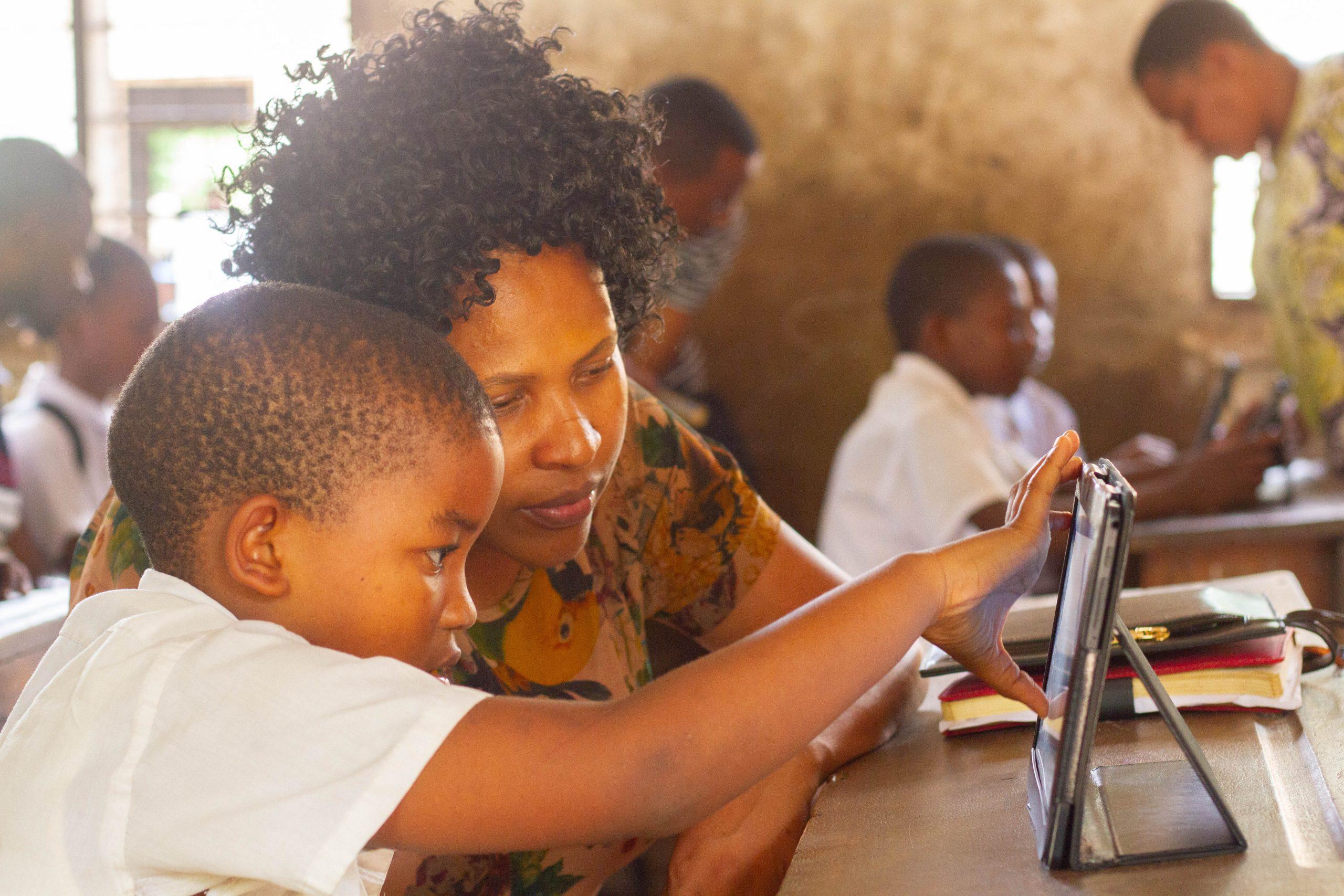
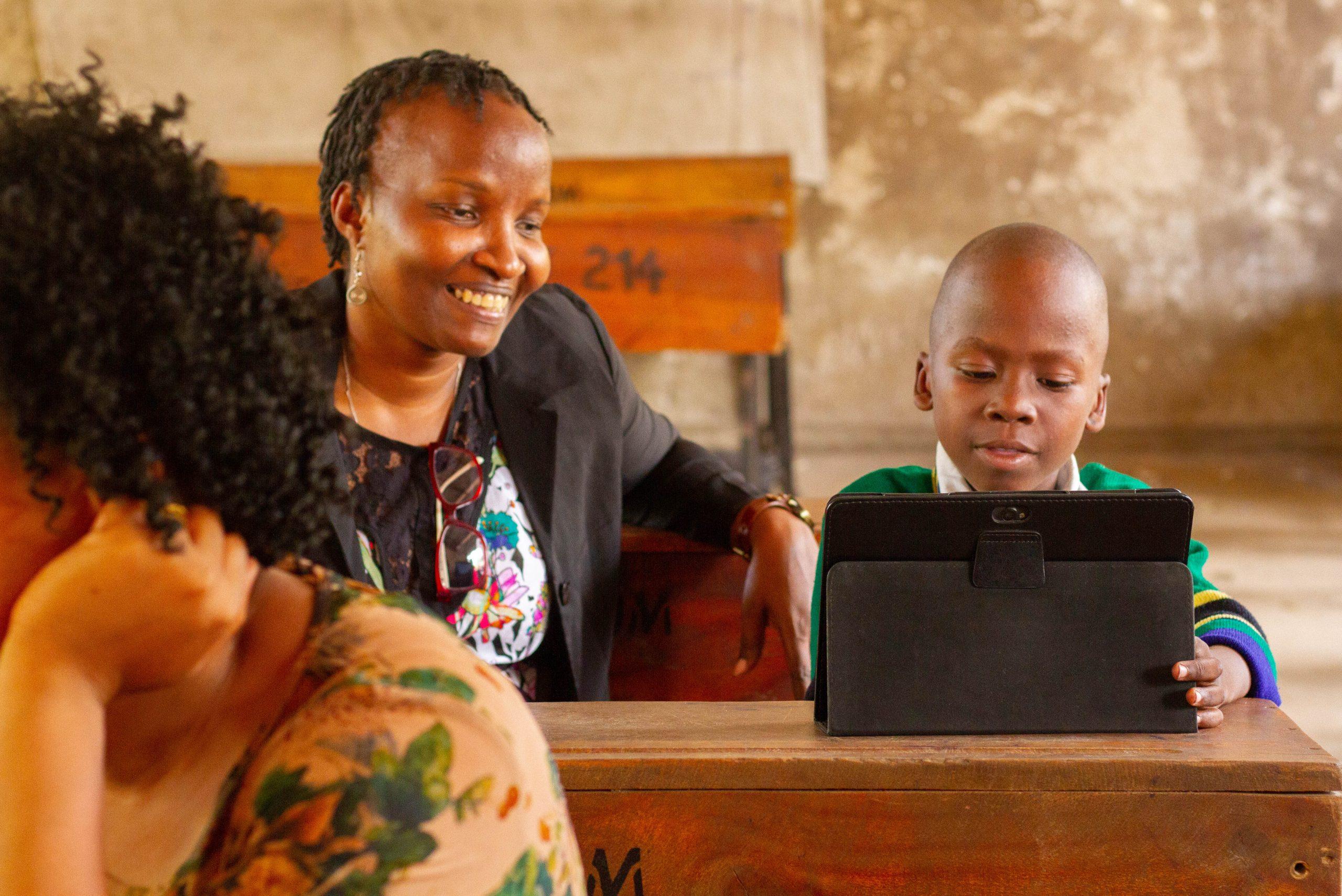
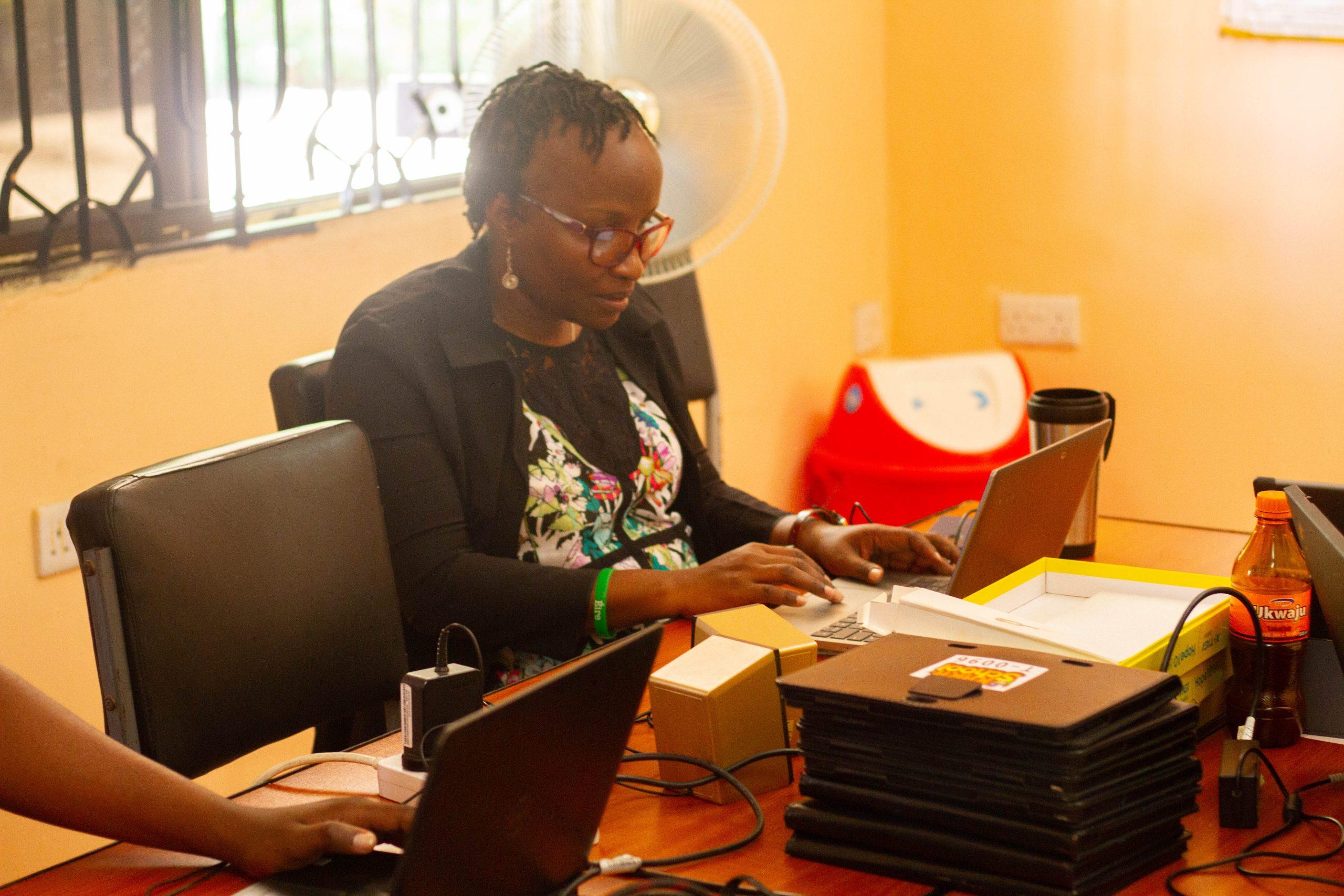
School teachers are now running Kit School sessions on their own initiative after the project. We aimed to develop a model that could be run by the teachers sustainably. So throughout the 8-week project, the teachers tested different operation models with Camara to develop a model that the teachers could operate sustainably after the project.
Through the first phase of this project, we confirmed the model can address the key factors for sustainability and scalability defined at the beginning of the project. The teachers are successfully running the program on their own initiative after the project.
There was great teacher feedback and stakeholder support. Collected data suggests an excellent potential for improving learning outcomes, especially for struggling students. To learn more about the impact of this project, download our case study at the end of the page or visit the KitKit Website.
Scaling the Model
We are now looking for opportunities to further improve the model and conduct deeper analysis by expanding the project to multiple schools in rural locations. We are in discussions with relevant government organs, and we are looking for donors to support the scale-up of this project.
We are working with local NGOs to support them in adopting the model in their schools. We have worked with So They Can, CASEE, Tir Na Nog and private schools, supporting them in adopting this scalable mode. Furthermore, we have also developed training resources for implementers (NGO, etc) and teachers, guiding them on step-by-step implementation of KitKit in their setting.
We use cookies to ensure that we give you the best experience on our website. If you continue to use this site we will assume that you are happy with it.